Understanding Chronic Suicidality

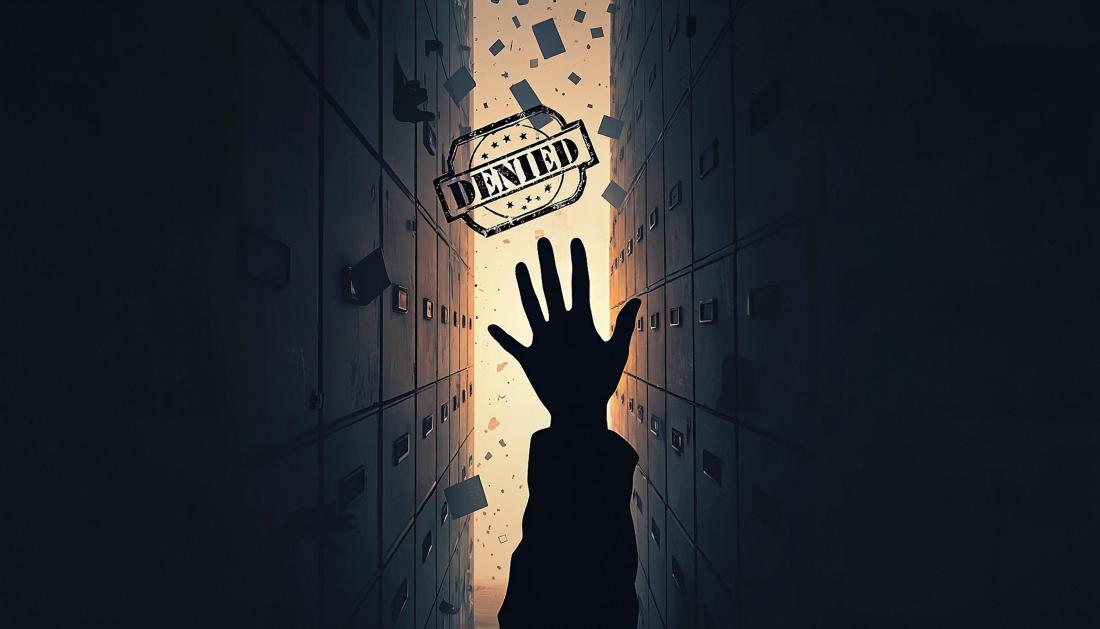
The discussion highlights the significant misunderstanding surrounding chronic suicidality, distinguishing it from emotional dysregulation and trivial complaints. It emphasizes that chronic suicidality often stems from ongoing trauma and systemic neglect rather than individual malfunction. The speaker recounts personal experiences of abuse and neglect from family, leading to a complex relationship with their desire to die, ultimately advocating for acknowledgment and understanding of their lived reality.

Sleepwalking Resurfaces: Triggers and Safety

The dialogue highlights the complex struggles of an individual dealing with severe health issues, sleepwalking, and a toxic living environment. It addresses feelings of entrapment, medical neglect, and trauma while discussing strategies for safety and coping. The narrative emphasizes the protagonist's resilience amid societal misunderstanding and their unique perspective on navigating daily challenges.

Misdiagnosed, Medically Harmed, and Left to Cope

This is what happens when medicine breaks a body, labels the fallout “mental illness,” and walks away—leaving a person to survive complexity, trauma, and stigma in plain sight.

The Nowhere People

The narrative explores the exclusion of individuals with complex identities from support systems that favor simplification. It highlights the struggles of being blacklisted in healthcare and the refusal to acknowledge multifaceted realities. The author calls for a restructuring of systems to recognize and accommodate the complexities of human experiences, particularly for marginalized individuals.

The Final Blacklist: Abandoned by Human, AI, and God

This essay is a forensic indictment of systemic ableism, detailing how a complex trauma survivor was blacklisted by medical providers, the 988 crisis line, and legal channels. It exposes the legal shields and EHR weaponization that enable retaliatory abandonment, confirming the system is structurally designed to fail the "too complex."

The Unseen Burden of Remembering: Beyond Marilu Henner’s Blessing

Highly Superior Autobiographical Memory (HSAM), often seen as a gift, can be a curse for those with traumatic histories. While media portrayals celebrate its positive aspects, many individuals experience relentless suffering as painful memories remain vivid and inescapable. A more nuanced understanding is essential to acknowledge its profound emotional toll on those affected.

Healthcare Held Hostage

No healthcare until you pay the 'ransom'

The Elderly and Complex PTSD

How what most consider just a problem can actually be traumatic...and one person's possible solution Trauma-informed therapy by therapists trained in trauma processing is a relatively new treatment modality. There are those of us who are 62 and older who have never had this type of therapy available to us. And, unless we have money … Continue reading The Elderly and Complex PTSD

No Good Deed goes Unpunished

The reality of the discarded elderly Amanda Quick Healing I so resonate with this philosophy of being. Unfortunately, it has always backfired on me to show up in the world this way. People are put off by me living my life as an example and celebrating everyone else. The goalpost is always moved every time … Continue reading No Good Deed goes Unpunished

Is it Safe, yet?

The Social Experiments Conducted by Someone with Complex PTSD Many sufferers of Complex PTSD got that way by trusting too much and too soon as a survival mechanism. One would think survival would depend upon the opposite—keeping one's guard up and trusting no one. The first example is part of the 'fawn' response—presenting oneself as … Continue reading Is it Safe, yet?