A terminally ill patient with complex pulmonary and genetic conditions documents systemic obstruction to care and urgently requests immediate evaluation and treatment from any physician able to provide life-saving interventions.
Category: Medical Advocacy / Patient Rights
The Nowhere People
The narrative explores the exclusion of individuals with complex identities from support systems that favor simplification. It highlights the struggles of being blacklisted in healthcare and the refusal to acknowledge multifaceted realities. The author calls for a restructuring of systems to recognize and accommodate the complexities of human experiences, particularly for marginalized individuals.
The 988 Lifeline: A Cruel Reality of Support Limits
The 988 Lifeline presents itself as a supportive resource but ultimately abandons individuals with complex struggles. When a user sought human connection, the counselor dismissed their significant challenges, relying on rigid protocols that minimize trauma. The Lifeline's failure reveals a cruel truth: only those deemed acutely suicidal may receive genuine help, perpetuating isolation.
The Final Blacklist: Abandoned by Human, AI, and God
This essay is a forensic indictment of systemic ableism, detailing how a complex trauma survivor was blacklisted by medical providers, the 988 crisis line, and legal channels. It exposes the legal shields and EHR weaponization that enable retaliatory abandonment, confirming the system is structurally designed to fail the "too complex."
Blacklisted by the Lifeline
The national crisis infrastructure, including 988 and NDVH, fails those with complex trauma, deeming them "Too Complex." This exclusion reinforces systemic abandonment, particularly for neurodivergent individuals facing intersecting issues. Despite claims of Trauma-Informed Care, the system often shuts out those in need, highlighting the necessity for better support and understanding.
When “Dr. Google” Becomes the Only One Who Listens — And Why Real Research Matters
The power imbalance in patient-doctor relationships often forces individuals to rely on self-directed research, especially after systemic failures in medical care. When dismissed by physicians, patients must engage in evidence-based research from reputable sources for survival, challenging the idea that such actions are mere defiance. Systemic change and patient acknowledgment are vital.
When Seeking Trauma Processing Through AI Becomes a Risk
After experiencing severe trauma and rejection from healthcare, the author turned to AI for support in processing their complex PTSD. However, issues like automated crisis alerts and data privacy concerns threaten their well-being. They advocate for better protections to ensure AI can be a beneficial tool rather than a source of further harm.
Evolutionary Panic
The discourse on Autism Spectrum Disorder has shifted towards fear and elimination, as exemplified by RFK Jr.'s agenda. This view is flawed, scapegoating neurodiversity while ignoring its evolutionary advantages. True investment should focus on supporting autistic individuals and addressing rare genetic diseases, rather than perpetuating ableist narratives that undermine human potential.
The Contempt of Systems
The post discusses the systemic dismissal of expertise in User Experience (UX) and Patient Experience (PX) frameworks, highlighting how organizations prioritize self-protection over accurate care. It emphasizes the need for reform, valuing informed input from experts and patients to enhance system reliability and safety while urging for recognition and incorporation of distributed expertise.
The Trap Is Sprung
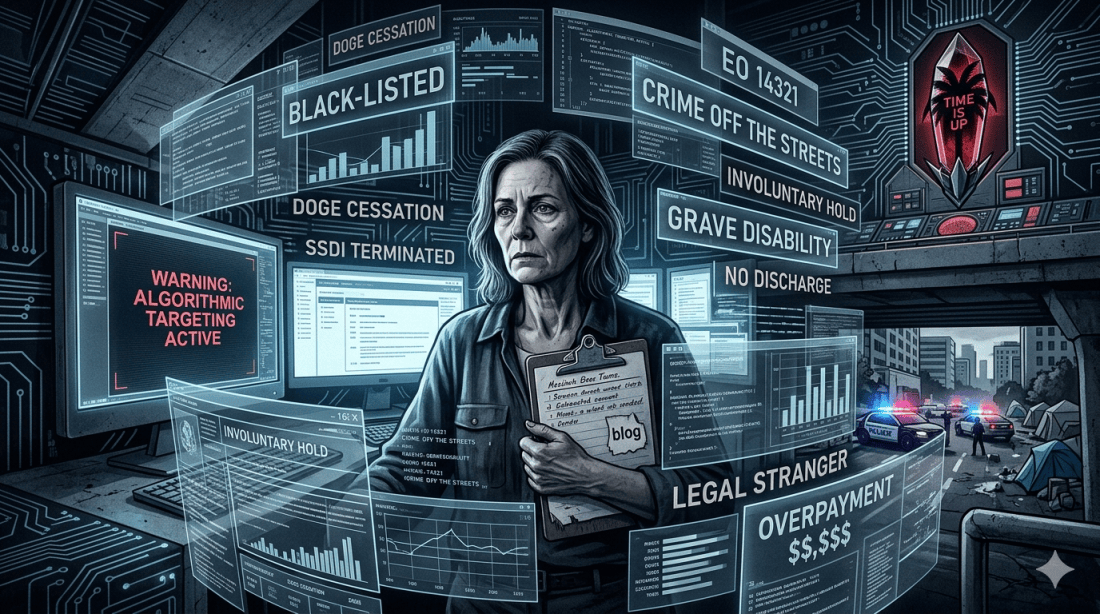
The Trump administration's Executive Order 14321 redefines homelessness policy by leveraging Electronic Health Records (EHRs) and involuntary commitment. This strategy creates a cycle of institutionalization, denying vulnerable individuals autonomy and perpetuating a financial trap. The policy promotes punitive measures rooted in cost-effectiveness, risking life and dignity under a guise of safety.


You must be logged in to post a comment.