This content explores the themes of emotional pain and blame in relation to personal and societal dynamics. The author critiques the tendency to attribute mental health issues to individuals rather than the abusive environments that create them. Through reflections on music and art, they advocate for accountability and the importance of sharing traumatic experiences. The discussion emphasizes the need for honest acknowledgment of systemic failures, while the user's own creative process serves as a testament to their struggle for self-expression amidst adversity.
Tag: Blame
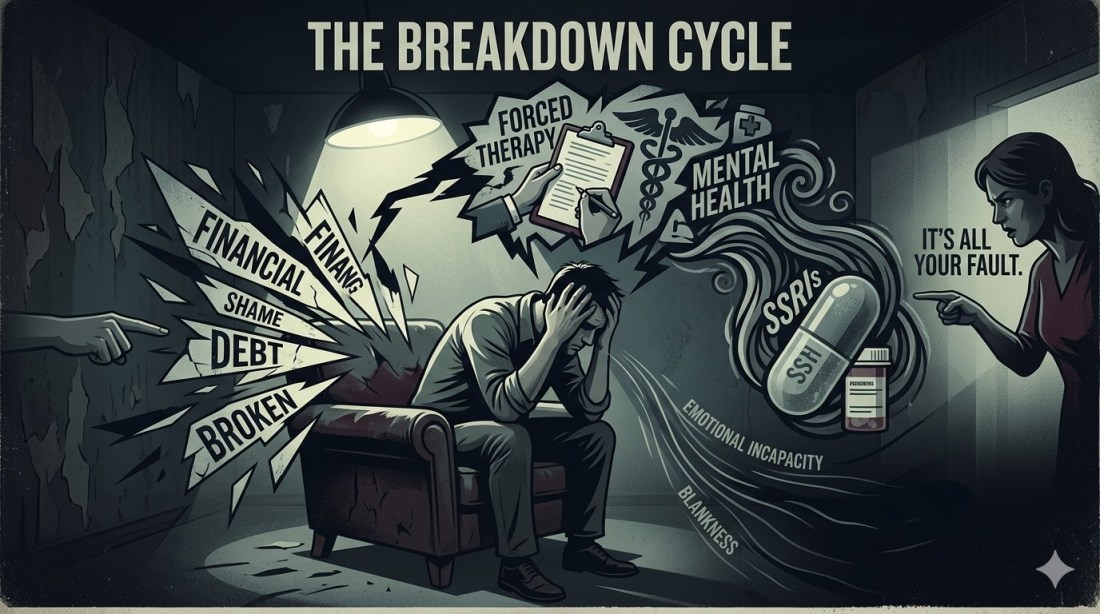
🌀 The Manufactured Eunuch
The content outlines a disturbing cycle in modern relationships where economic hardship and depression lead to a man's psychological and biological breakdown. This process begins with financial shaming, progresses through forced mental health treatment, and culminates in the use of SSRIs, resulting in emotional and sexual incapacity. Ultimately, the partner blames him for the consequences.
Jesus Christ: The Scapegoat and the End of Blame
This essay explores Jesus Christ's role and teachings, emphasizing responsibility and love for self and others. The author sees Jesus as a model for taking responsibility and love as the sole commandment. She believes in the importance of self-love and taking action to become someone worthy of that love, criticizing the cycle of scapegoating.
We are NOT Cute!
Two people within the same hour told my ex-husband and I we are too cute, as they watched us interact with each other in front of them. I'm here to tell ya, we are NOT cute! What we are is a narcissist trying desperately to hold on to his best source of supply and that … Continue reading We are NOT Cute!
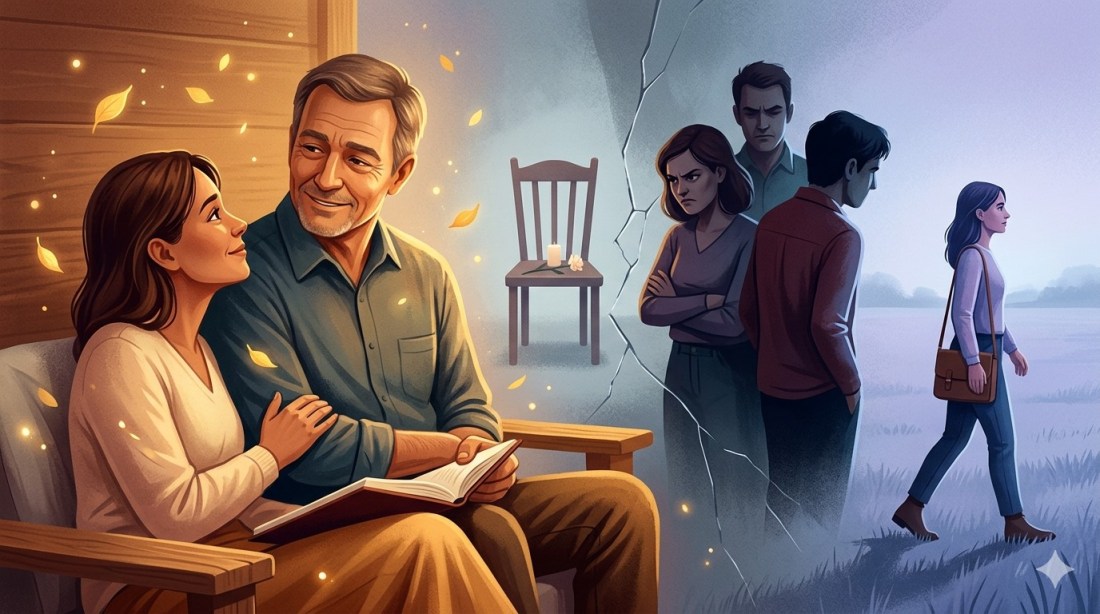
Navigating Family Resentment After a Father’s Death
The author reflects on their unique relationship with their father, noting the attention and love received due to their efforts and respect towards him. They acknowledge the resentment from siblings who feel entitled to similar treatment without exerting the same effort. Following their father's death, the author faces isolation from their siblings' true feelings, leading to a sense of abandonment as they prioritize their own well-being.
End of Life for a Model Codependent People-pleaser
A former people-pleaser re-examines their identity and past relationships, coming to terms with the emotional cost of self-betrayal and family dysfunction.


You must be logged in to post a comment.