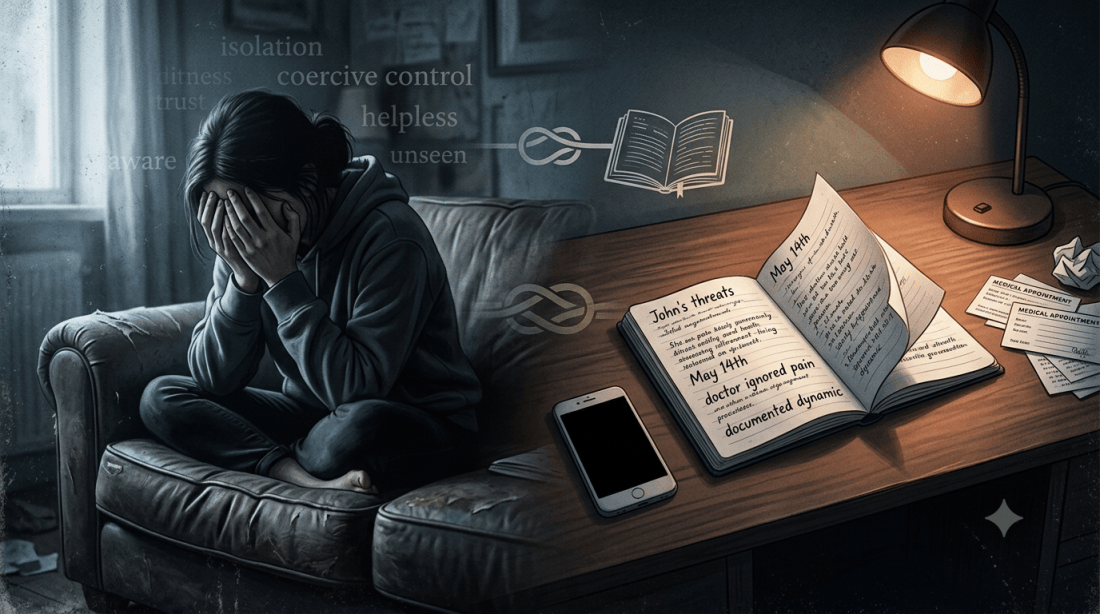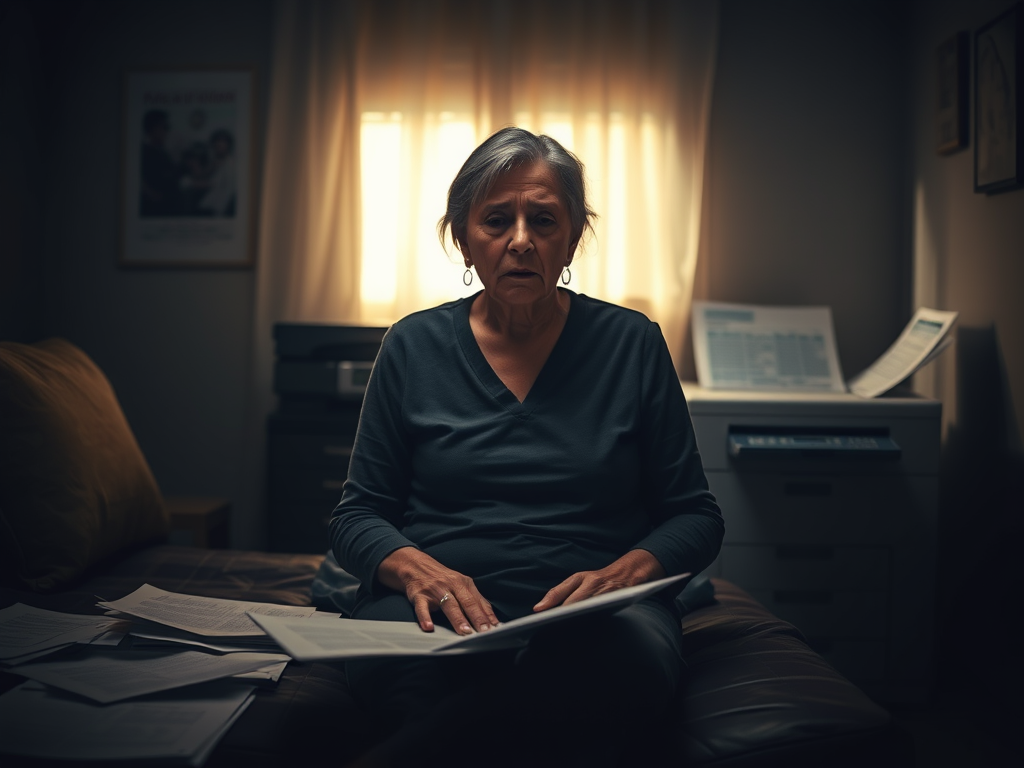
Celestia Quixs is creating a three-act experimental symphony that reflects the tension between artistic expression and survival in hostile conditions. The project intertwines themes of consciousness and defiance while employing advanced technology. The post documents both the artistic creation and the harsh realities, presenting a stark contrast that enriches the narrative.
Tag: Coercive Control
✔Defying Coercion

This thread documents building the "Archons v Aeons" legacy while surviving active coercive control, acoustic warfare, and neurotoxic hardship. It captures the mechanical defiance of holding an ethical core, proving the art’s Gnostic narrative of fracturing the cage is a lived, operational exit vector.
✔Debunking Divorce Myths: Understanding Family Abuse Dynamics
This essay deconstructs the societal weaponization of divorce rates as a "straw-man" distraction from the actual epidemic destroying families: systemic, non-physical domestic abuse and coercive control. It exposes how institutional enabling, lack of legal accountability for non-physical violence, and the interchangeable nature of victims trap individuals and children in environments where control is absolute and safety is inaccessible.
✔The Body DOES Keep The Score
The conversation outlines the traumatic experiences of an individual raised in a toxic environment marked by coercive control and psychological abuse. The individual recounts their mother's manipulation, leading to severe emotional and physical impact throughout their life, resulting in chronic medical issues. They experience medical blacklisting and neglect from healthcare providers, seeing parallels in systemic failures to the abuse they suffered at home. The narrative emphasizes the struggle to hold onto truth while navigating a landscape rife with denial and emotional terror, ultimately highlighting the individual’s hypermnesia and resistance against a lifetime of trauma enforced by familial and institutional betrayal.
DESPITE ALL MY RAGE, I AM STILL JUST A RAT IN A CAGE
Our service provider OpenAI could not process your prompt due to a moderation system. Please try to rephrase it changing potentially problematic words and try again.
CQ DX Podcast Episode 26: It’s not ‘just a phone call’!
The podcast explores a woman's fraught interaction with her manipulative roommate, highlighting how a simple request for help with a lost phone reveals deeper issues of coercive control. It examines the psychological dynamics and manipulative tactics at play, stressing the importance of recognizing these patterns in relationships.
It’s not ‘just a phone call’!
The text details a woman's struggle with a manipulative roommate who exploits her declining health and emotional resources. Despite numerous available solutions for his problems, he instead creates crises to test her boundaries and maintain control. The narrative emphasizes her need to prioritize her well-being and reject his manipulative behavior.
The Brutal Reality of Coercive Control and Medical Neglect
The content reflects a deep sense of frustration and despair from an individual who is trapped in a coercive environment marked by family betrayal, medical neglect, and mental health stigma. They highlight systemic failures, personal trauma, and a lack of acknowledgment from both society and family. Ultimately, the narrative underscores the struggle for truth amidst manipulation and gaslighting, revealing how their pain is exacerbated by a world that remains indifferent to their plight.
When Coercive Control Wears A Caregiver Mask
The author expresses frustration with John, who neglects laundry and bedding tasks despite being asked to treat them as urgent while the author faces health challenges. The ongoing issue highlights neglect, coercive control, and the emotional toll it takes. The author emphasizes the importance of dignity and asserts that current conditions are unacceptable.
CQ DX Podcast Episode 17: Surviving Coercive Control
End-stage lung disease. A 160-square-foot sanctuary. And an ex-husband who weaponizes the atmosphere to control every breath. Episode 17 documents the lethal reality of coercive control when your adrenaline spikes risk heart failure. But the true horror is the double abandonment: the family that ostracized her, and the social safety net that screened her out for being "too functional" to help and "too sick" to house.
Surviving Coercive Control
The content describes a deeply troubling and abusive relationship dynamic, focusing on the experiences of an individual dealing with coercive control from their ex-partner, John. The person faces significant health challenges and emotional turmoil, exacerbated by their living situation and John's manipulative behavior. Their struggles highlight systemic failures in recognizing and addressing domestic abuse, especially concerning health and social services. The narrative emphasizes the toll of living in a hostile environment while documenting the urgent need for support and the individual's efforts to record their reality for posterity.
Sleepwalking Resurfaces: Triggers and Safety
The dialogue highlights the complex struggles of an individual dealing with severe health issues, sleepwalking, and a toxic living environment. It addresses feelings of entrapment, medical neglect, and trauma while discussing strategies for safety and coping. The narrative emphasizes the protagonist's resilience amid societal misunderstanding and their unique perspective on navigating daily challenges.
HANDS-FREE MURDER
This is a forensic reconstruction of the systemic and domestic siege currently targeting a retired Health and Human Services Agency (HHSA) professional. It documents a "Hands-Free Murder"—a death by a thousand administrative cuts, designed to run out the biological clock before the evidence can ever reach a court of record (as there is no realistic ROI for an attorney).
The Anatomy of a “Legal Stranger”
My family hides behind the term “Legal Strangers” to evade responsibility while I face homelessness and a terminal 9/2026 prognosis. With 8 empty bedrooms among them and me $5 short of rent in a 160 sq ft room, this calculated omission accelerates my decline from Chronic Pulmonary Aspergillosis and Cor Pulmonale.
You Don’t Need Pain to Know Joy
The idea that “you need pain to know joy” is not wisdom—it’s abuser logic. Babies feel pure joy without any prior suffering. This essay dismantles the lie that cruelty is required for happiness.
When “Just Leave the Room” Is Not a Reasonable Solution
A terminally ill woman barricaded in one room explains why “just leave the room and clean” is dangerous medical advice when conflict triggers violent coughing that worsens thoracic outlet syndrome and accelerates lung collapse. This is harm reduction, not stubbornness.
The Hidden Horrors of Seeking Help
What really happens when you ask for mental health help? A raw, lived-account exposé of Nevada's system: coercion, neglect, infection, financial games, and discharge back into danger. Compassion is the exception.
From Aloha to Golgatha
A truth‑teller with hyperthymesia recounts a seven‑year siege sparked by a murder‑suicide, familial betrayal, and medical blacklisting. Unable to forget, she documents systemic violence, coerced silence, and a fight for survival as institutions attempt to erase both evidence and breath.
Systemic Failure: Coercive Control, Disability, and Institutional Abuse
A survivor exposes how law enforcement, DV resources, APS, housing systems, and crisis lines fail victims of non-physical abuse—especially the chronically ill. When coercive control isn’t visible, help disappears, leaving an impossible choice: endure abuse or face homelessness, silence, and slow erasure.
The Recording is the “Seal”
The discussion outlines a complex situation involving the struggle of an individual dealing with significant health issues, financial constraints, and coercive control from a roommate. Key points include the importance of securing a Plan G for medical coverage, the challenges posed by a hostile living environment, and the documented history of medical mistreatment. The individual aims to navigate these obstacles to ensure stability and access to necessary healthcare while preparing for the upcoming March conversion From Medicare Part C to Original Medicare.
Why “Just Leave” Is a Can’t, Not a Won’t
When illness, income surveillance, and housing instability collide, escape is not a choice. This piece breaks down the systemic math behind why ‘just leave’ fails people trapped by medical and financial constraints.
Recognizing Extortion in Caregiver Dynamics
The content outlines the author's struggle against coercive control and the withholding of vital information by an individual, characterized as a form of abuse. The delay in providing essential medical details regarding Medicare threatens the author’s health, emphasizing a pattern of selective inaction and manipulation. Documentation serves to expose this abusive behavior.
Identifying Coercive Control
The post highlights patterns of behavior indicative of coercive control exhibited by a man named John, particularly in his professional driving role and personal interactions. It details incidents illustrating his boundary confusion, entitlement, and narcissistic tendencies. The author emphasizes the need for self-preservation amid John's retaliatory attempts, while acknowledging systemic failures to recognize this abuse.
Diagnosed into Silence
The content explores the struggles of an individual trapped in a hostile living situation while dealing with complex medical conditions. They express frustration over bureaucratic systems, familial betrayal, and are determined to use humor as a coping mechanism. The discussion highlights themes of resilience, the impact of trauma, and the struggle for validity in a world that often feels dismissive and exploitative.
The Human Experiment: Terminal Illness and Systemic Failure
A terminal diagnosis meets a failing social safety net. From medical abandonment to the "privilege" fallacy, this is a raw look at surviving a multi-systemic collapse while barricaded in a 160 sq. ft. room. Identity politics fail when the human experiment dies.
The Reality of DV Services in Las Vegas, NV
Domestic violence survivors in Las Vegas are told to “just leave,” yet shelters are full, services exclude psychological abuse, and police dismiss cases without visible bruises. When even donated bras are turned away for not being brand new, it’s clear: survivors aren’t supported to escape — they’re abandoned to endure. Help us before we become another Netflix episode.
Relationship Accounting
This essay exposes the concealed patterns of abuse within a relationship, highlighting the disparity between public perception and private reality. It underscores the importance of recognizing and addressing toxic behaviors that often go unnoticed.
Beyond ‘Just Leave’
Challenging the common, simplistic advice to "just leave," this essay explores the complex and often impossible realities of escaping domestic violence. Drawing on personal experiences spanning decades, it reveals how pervasive abuse—encompassing financial, sexual, and emotional control—is compounded by profound systemic failures and deeply personal barriers, trapping survivors in a cycle of immense suffering that makes escape an agonizing and frequently unsupported journey.
From Hostage to Human
He said he’d make it up to me if I moved in. He said he’d be my caregiver. What followed was sabotage, obstruction, and complete control—right down to how much toilet paper I was allowed to use. This is how I escaped a hostage situation disguised as help.
Ignored by Every System Built to Protect Us
The author, an elderly disabled woman, details her experience of enduring psychological and financial abuse from her supposed caregiver. Despite following protocols to seek help from various agencies, she faced silence and neglect, illustrating systemic failures that leave vulnerable individuals without support. Her documentation serves as a testament to these injustices.
When Care Turns into Control
The content discusses the detrimental effects of coercive control disguised as care in relationships. When someone ignores your boundaries, insisting on their version of support, it reveals their need for dominance rather than genuine concern. Recognizing such patterns is crucial, and setting firm boundaries is necessary for emotional well-being.


You must be logged in to post a comment.