The Push/Pull Was Never Mine

The push/pull in my relationships wasn't my BPD—it was external narcissistic family abuse and enabler complicity. Naming the pattern ends self-blame. For scapegoats and truth-tellers who can't forget: your intensity is proportional, not pathological.

You Don’t Need Pain to Know Joy

The idea that “you need pain to know joy” is not wisdom—it’s abuser logic. Babies feel pure joy without any prior suffering. This essay dismantles the lie that cruelty is required for happiness.

Deadnaming & Scapegoating

After legally changing my name to reclaim my identity and healing, my family responded with a gag gift deadnaming me. This essay explores the dynamics of toxic families, scapegoating, and reclaiming selfhood after abuse.

We Were Never Mentally Ill: Reclaiming Our Broken Hearts

They call us crazy to dismiss our grief. But we are not broken—we are witnesses. Our voices matter, even when the world pretends we don’t.

The Gift of Giving in a World That Rejects Me

Essay on unseen generosity and systemic neglect. Celestia Quixs shares decades of giving—family support, caregiving, foster parenting, art, music—met with rejection, medical blacklisting, economic abuse, and family betrayal. A demand for compassion and justice.

Why I Still Sing (Badly) — and Share It Anyway

The author discusses the profound healing effects of singing, particularly for those dealing with trauma and chronic lung disease. Despite having an imperfect voice, singing serves as an emotional release, enhances physical health, and stimulates the Vagus nerve. The message encourages others to express themselves through song, fostering healing and resilience.

The Neurobiology of Compulsive Behaviors

The content explores the complexities of hypersexuality and compulsive behaviors stemming from trauma. It highlights trauma's neurobiological impact, the issues of misdiagnosis, and the need for trauma-informed care. Emphasizing understanding over stigma, the text advocates addressing underlying trauma to facilitate healing and acknowledges these behaviors as adaptive rather than flawed.

The High Cost of Integrity

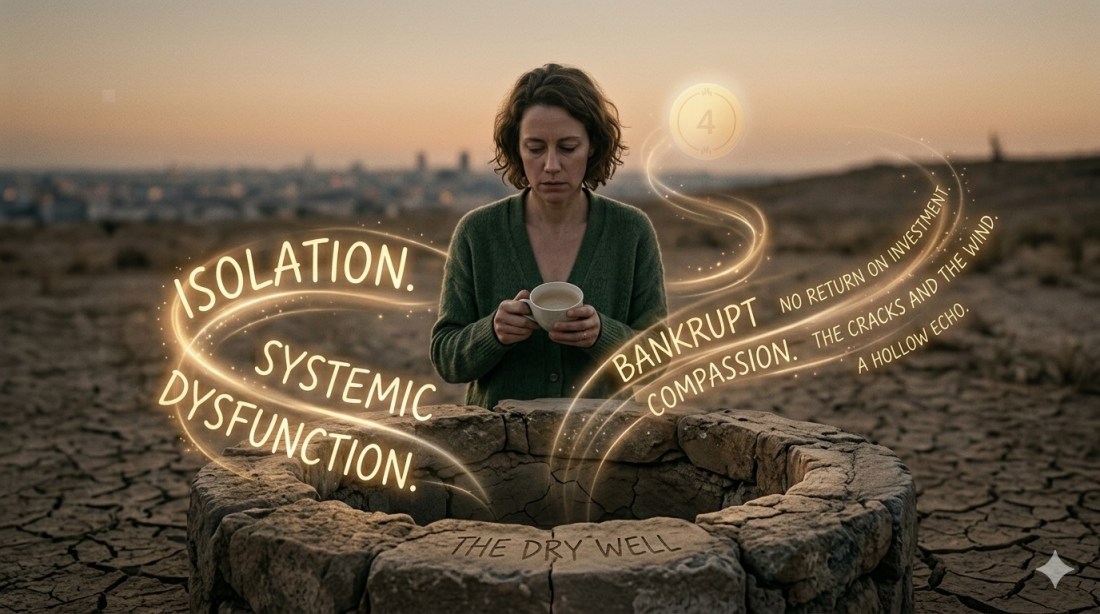
When Social Contracts Fail and Wells Run Dry A candid reflection on navigating systemic dysfunction and personal tragedy. When a lifetime of self-reliance meets a world of conditional compassion, the result is a profound search for meaning amidst total depletion. "The world we live in is a world where love, compassion, patience, and tolerance all … Continue reading The High Cost of Integrity